Discover Habesha Ethiopian Restaurant And Bar
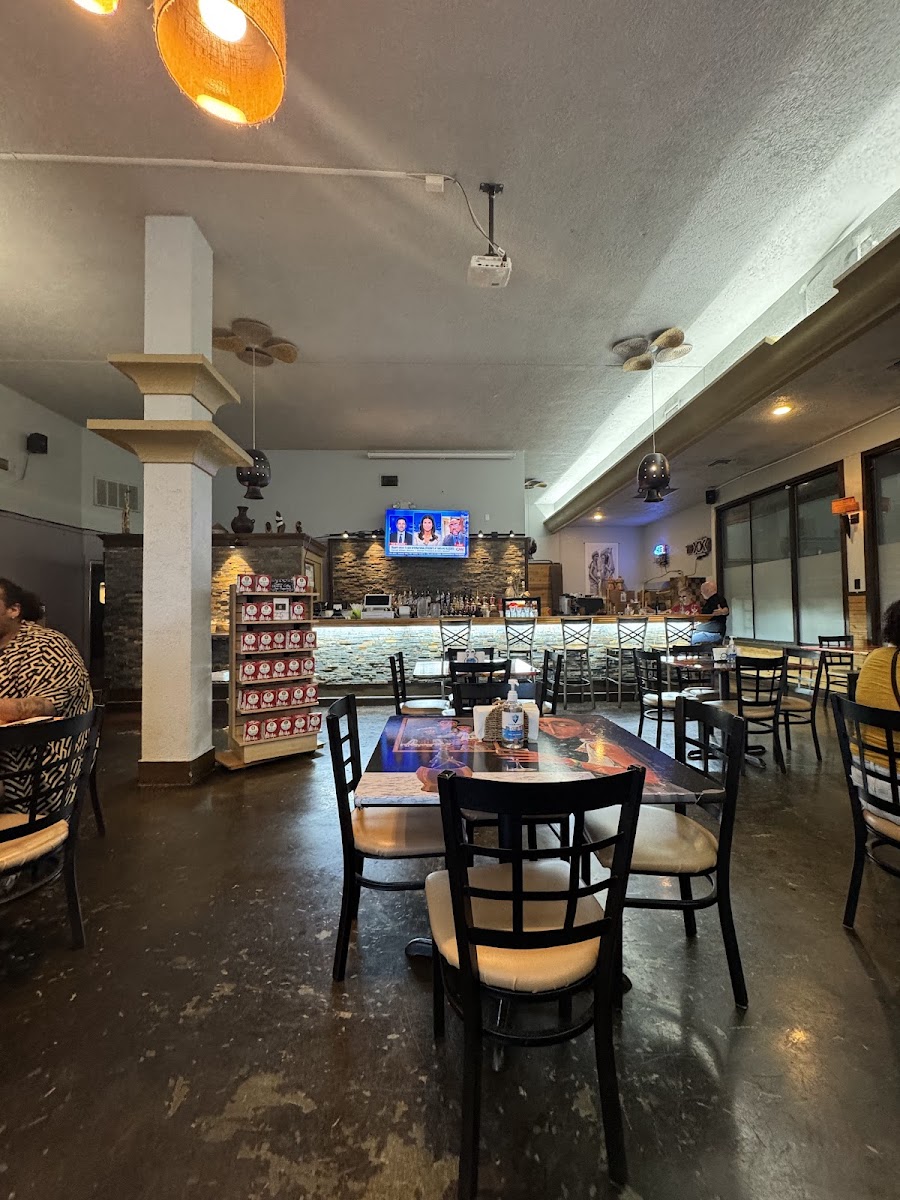
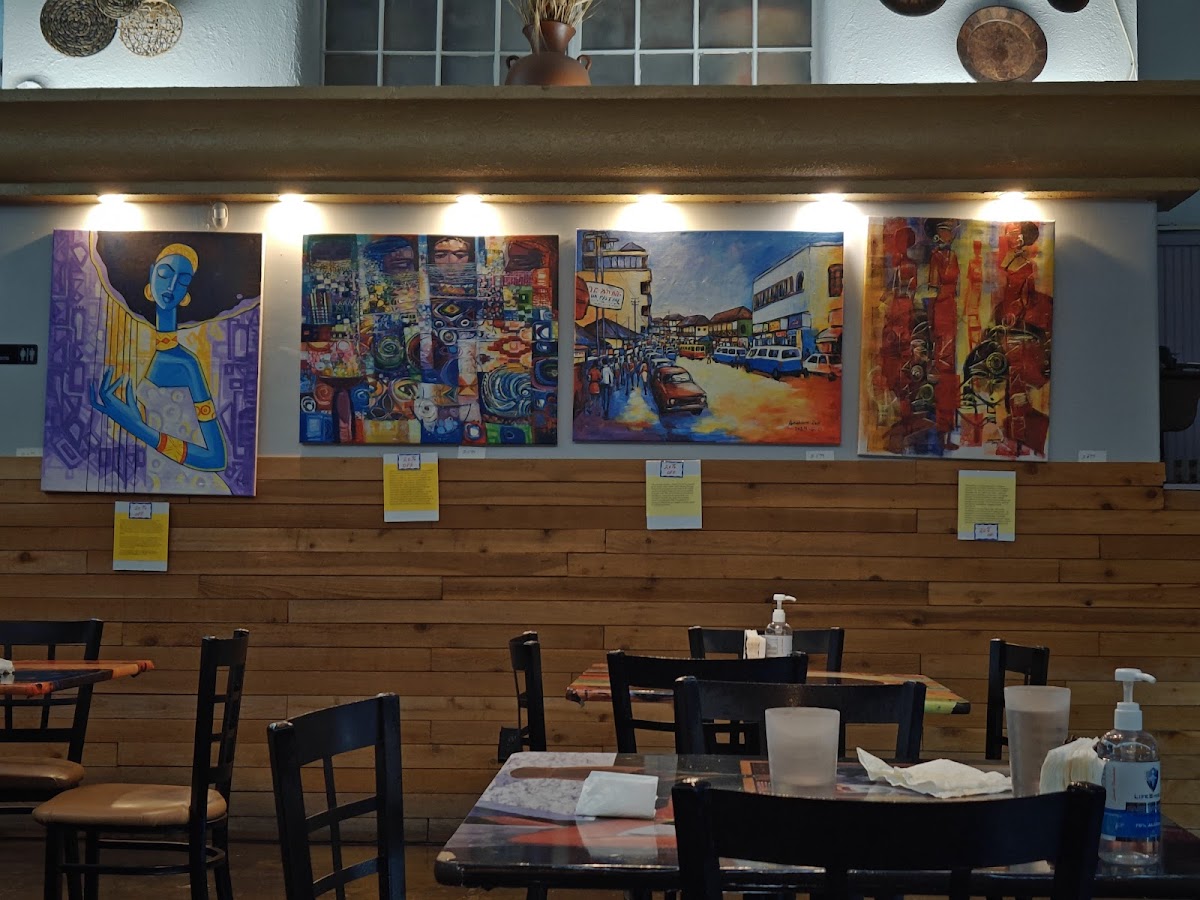
Walking into Habesha Ethiopian Restaurant And Bar for the first time, I was hit with that warm, spiced aroma that only Ethiopian kitchens seem to master. I’ve eaten Ethiopian food in a few cities over the years, but this spot at 6019 N Interstate Hwy 35, Austin, TX 78723, United States feels especially grounded, like a place built more for community than trend-chasing. From the hum of conversation to the soft Ethiopian music in the background, it sets the tone before the menu even hits the table.
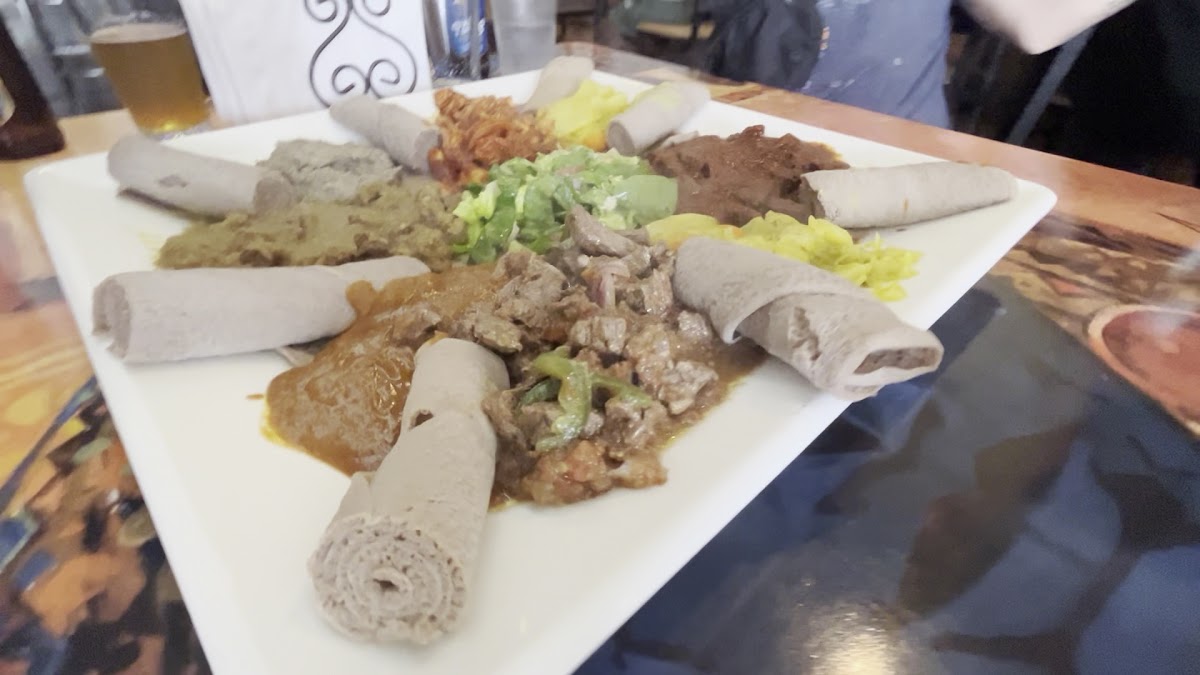
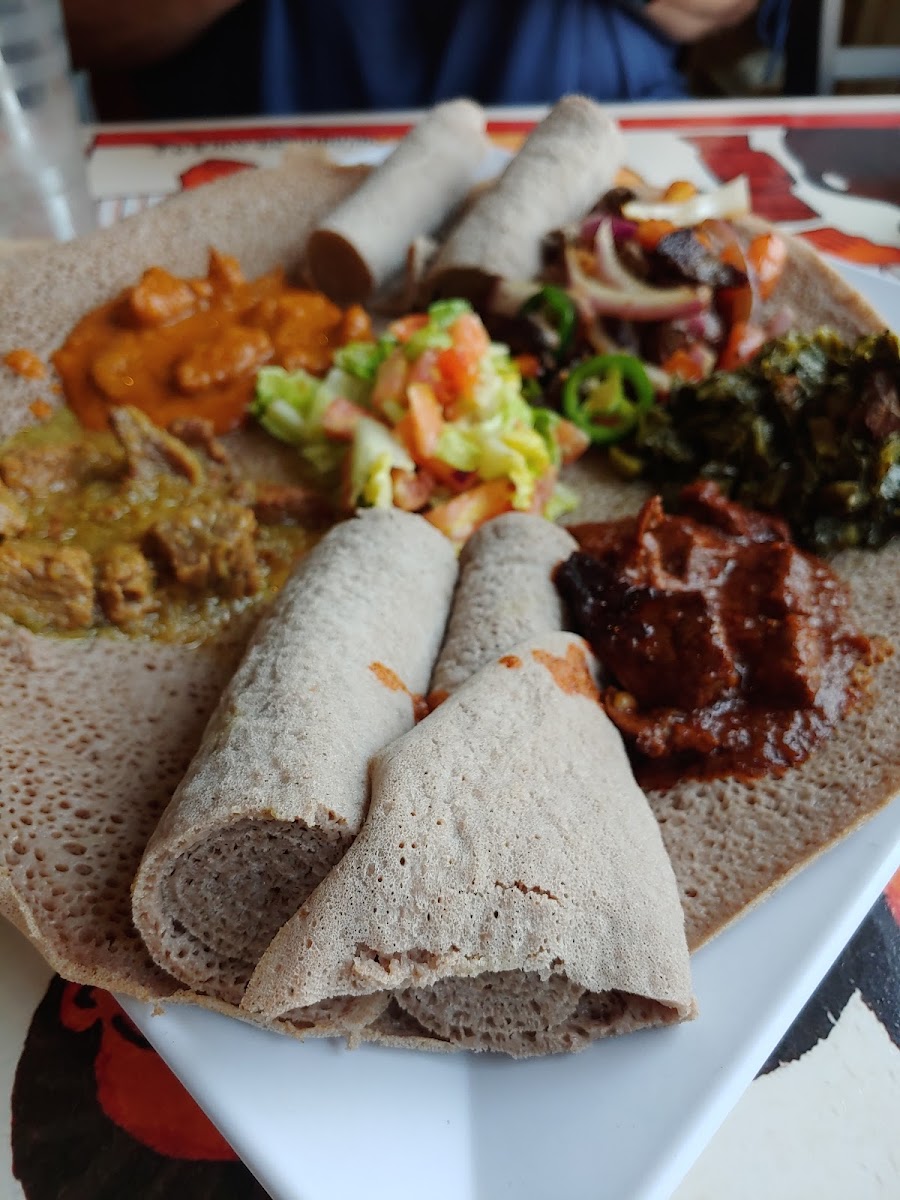
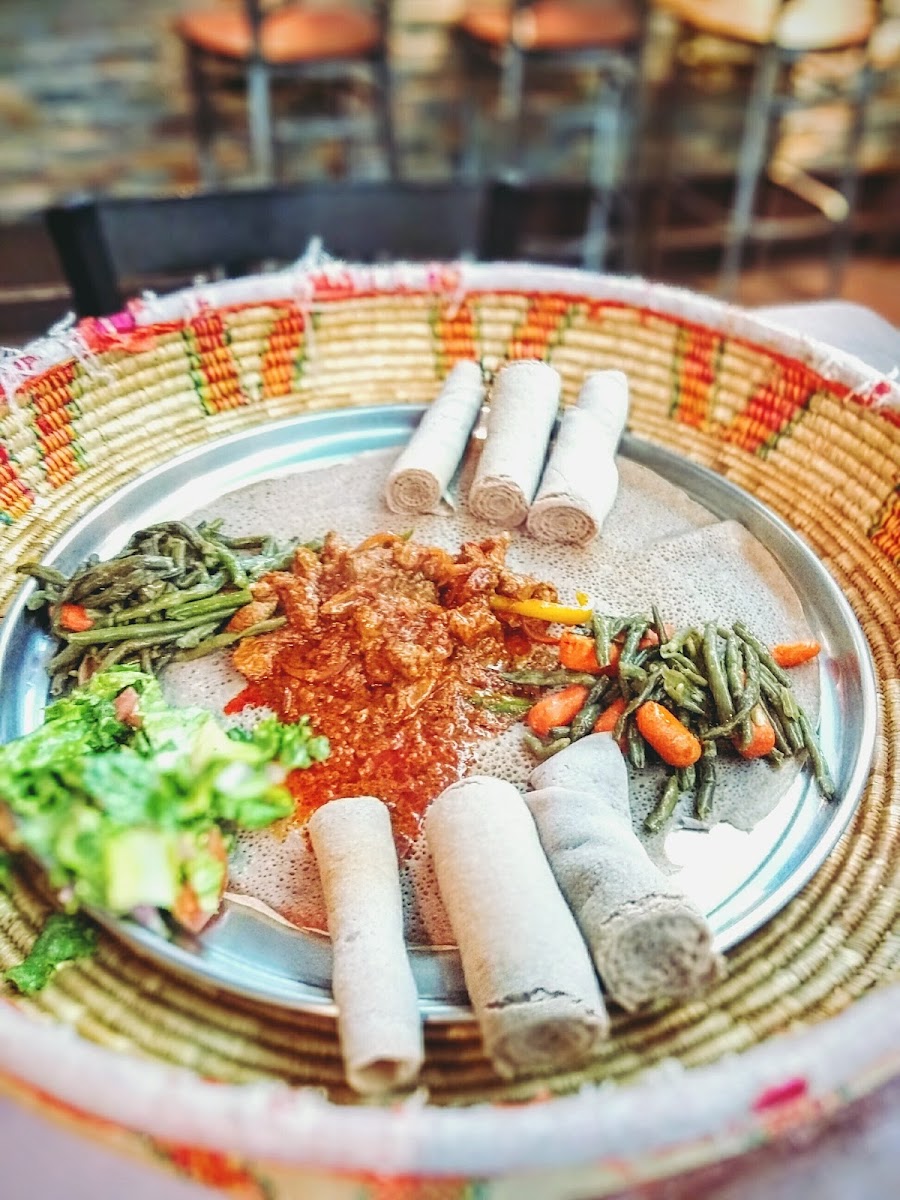
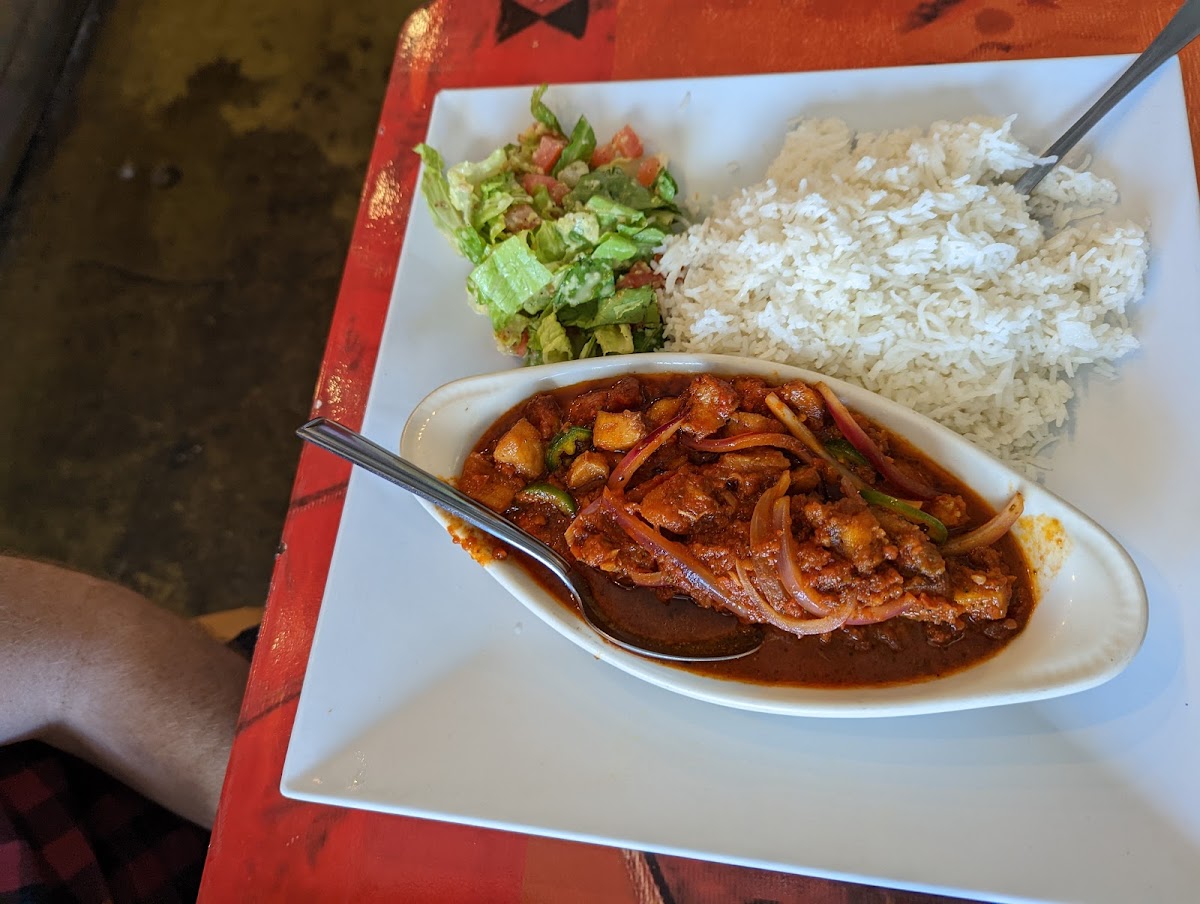
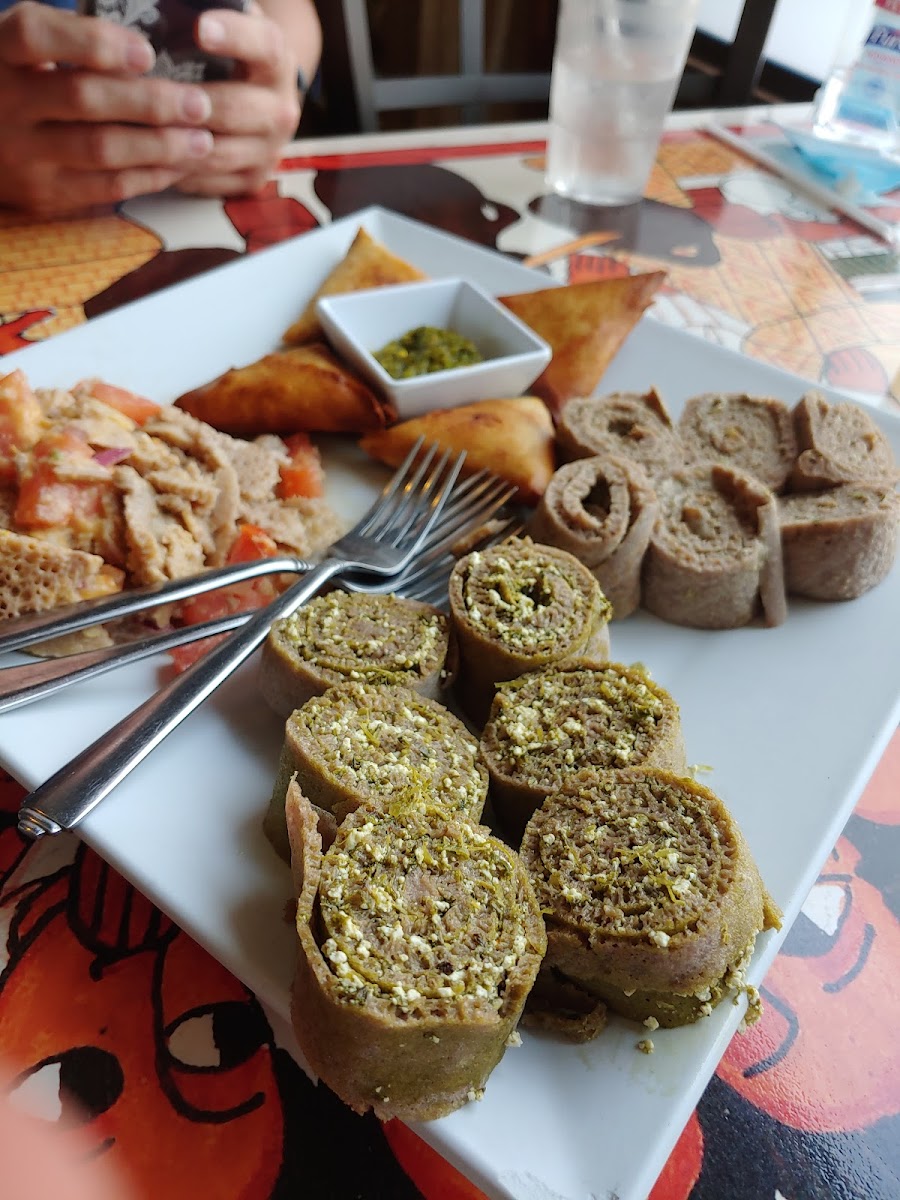
The menu leans into tradition without feeling intimidating. If you’re new to Ethiopian cuisine, the shared platter style makes things easy. Injera, the slightly tangy fermented flatbread, acts as both plate and utensil. Researchers who study fermented foods often point out that injera’s natural fermentation supports gut health, similar to sourdough or yogurt, and that mild sourness here balances the rich stews beautifully. The doro wat, a slow-simmered chicken stew with berbere spice, is a standout. I watched a nearby table order it family-style, tearing off pieces of injera and passing plates around, which is exactly how this food is meant to be enjoyed.
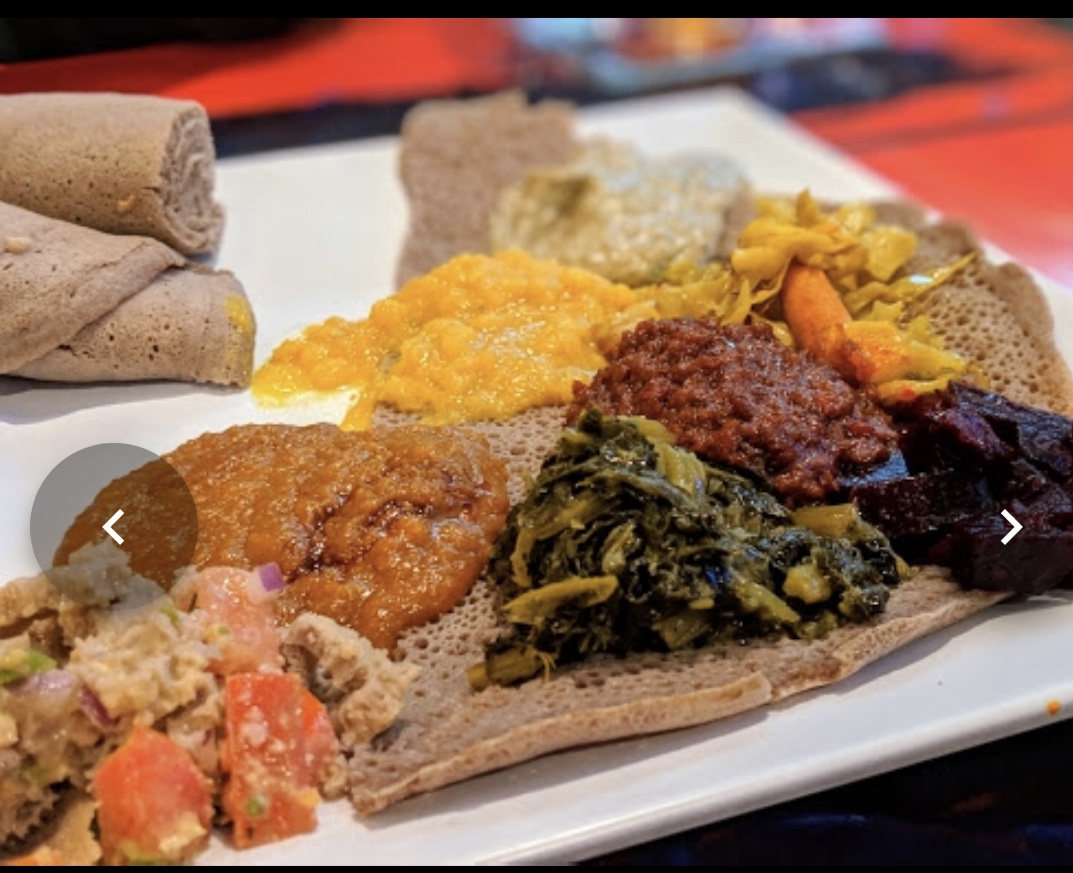
From personal experience, the vegetarian options deserve just as much attention. Ethiopian cuisine is known for its plant-based dishes, largely influenced by fasting traditions in Ethiopian Orthodox culture. The misir wat (red lentils) and gomen (collard greens) come out deeply seasoned, not just as afterthoughts. According to food historians, lentils and legumes have been dietary staples in Ethiopia for centuries, offering protein-rich meals long before plant-based eating became fashionable elsewhere. That history shows in the depth of flavor here.
One thing that keeps people coming back, based on reviews I’ve read and conversations I’ve overheard, is consistency. I spoke with a regular who said he’s been stopping by weekly for years, and the flavors haven’t changed. That kind of reliability matters in restaurants. Culinary experts often note that maintaining traditional spice blends like berbere requires careful sourcing and precise ratios. Habesha seems to respect that process, which shows in every bite.
The bar side adds another layer to the experience. Ethiopian honey wine, known as tej, isn’t something you find everywhere in Austin. It’s lightly sweet, slightly funky, and pairs surprisingly well with spicy dishes. Sharing a glass during the coffee ceremony afterward felt special. Ethiopia is widely recognized as the birthplace of coffee, and UNESCO even acknowledged the Ethiopian coffee ceremony as an intangible cultural heritage. Watching the ritual here, even in a casual restaurant setting, gives context to how deeply coffee is woven into Ethiopian daily life.
Service here feels personal rather than scripted. On my last visit, the server walked me through the menu with patience, explaining spice levels and suggesting combinations based on what I liked. That kind of guidance matters, especially for first-timers. While no restaurant is perfect and peak hours can mean a short wait, the staff is upfront about timing, which builds trust.
Location-wise, being right off I-35 makes it accessible whether you’re local or passing through Austin. Parking is straightforward, and the dining room accommodates both small groups and larger gatherings. Reviews often mention the welcoming atmosphere, and that matches what I’ve seen firsthand. It’s a place where birthdays, casual dinners, and quiet solo meals all feel equally at home.
For anyone curious about Ethiopian food or already in love with it, this restaurant offers a grounded, respectful take on a cuisine with deep roots. The flavors, the rituals, and the sense of care all come together in a way that feels genuine rather than performative, which isn’t something you can say about every dining experience.